
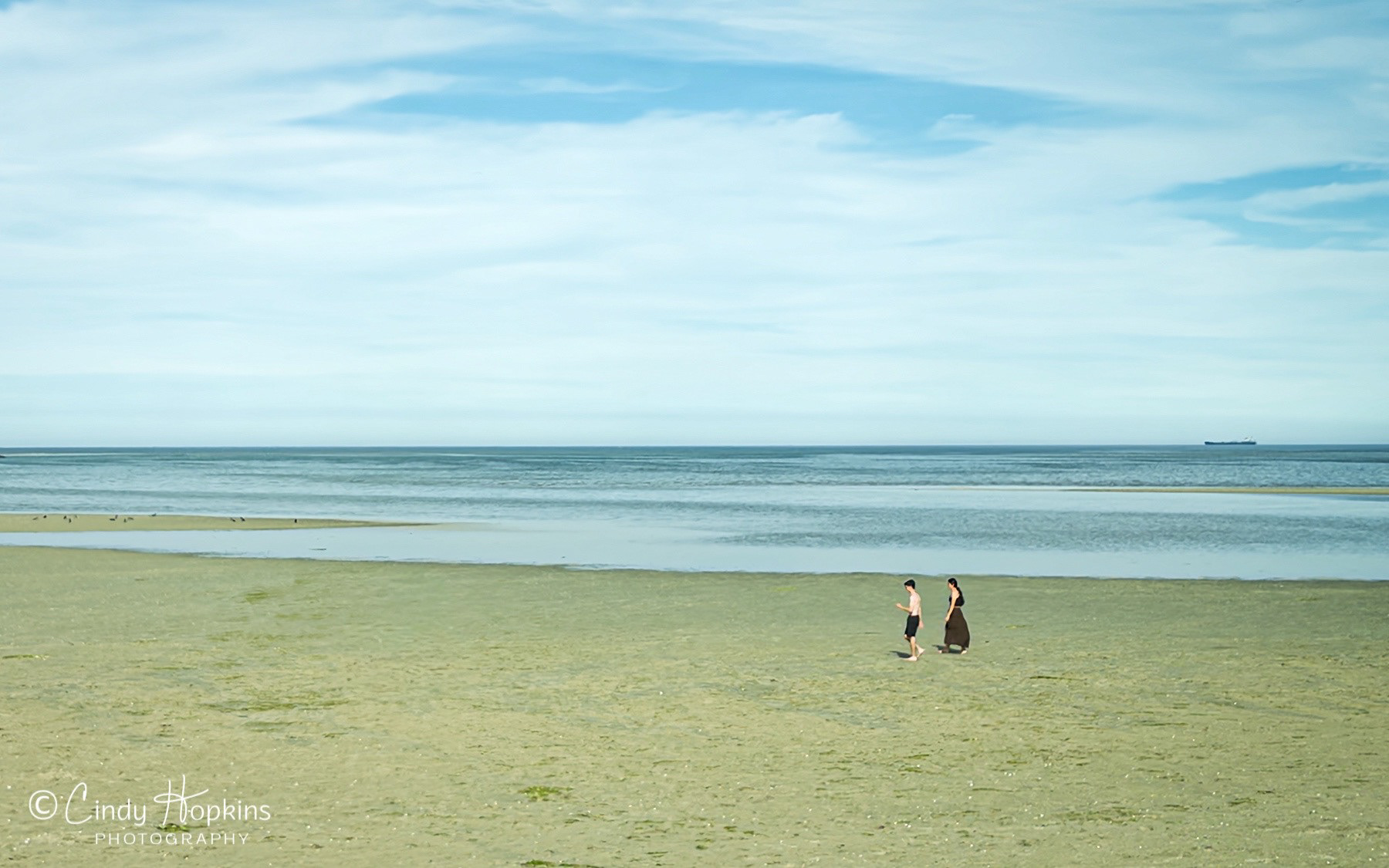
Dublin Beach.

Top deck of a a "DoDublin" hop-on hop-off tour bus where many of the photos below were captured.
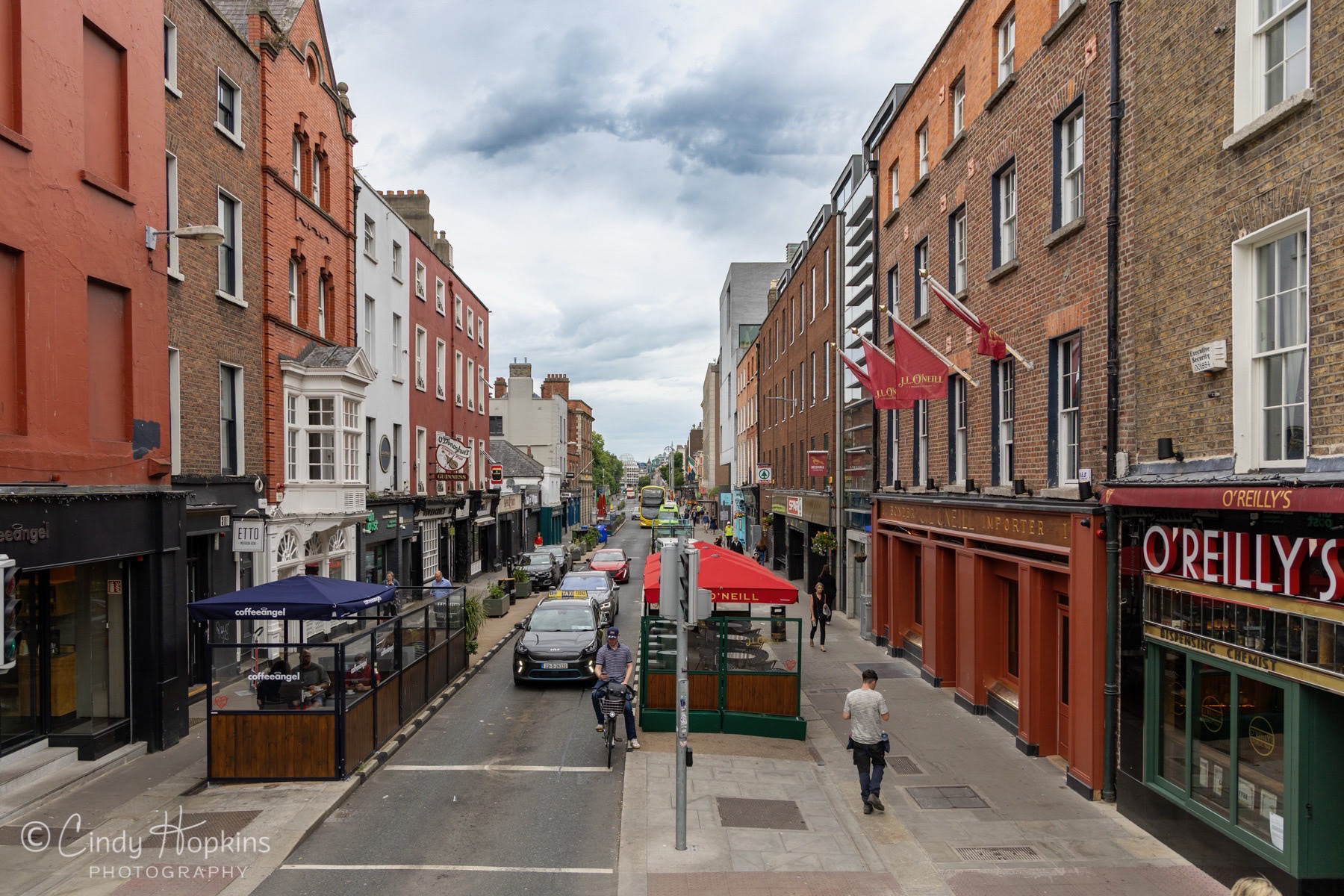
South William Street in Dublin

Guinness delivery truck making a drop off at local Dublin pub.

Dublin window scene

Buswells Hotel located on Molesworth Street in Dublin.

The facade of St. Andrew's Church on Westland Row in Dublin.
The Latin inscription reads "DEO OPTIMO MAXIMO SUB INVOC B ANDREA APOSTOLI," which translates to "To God, the best and greatest, under the invocation of Blessed Andrew the Apostle".
The statue perched on top of the pediment depicts Andrew the Apostle.

St. Andrew's Parish Church, a Roman Catholic place of worship in Dublin.

Trinity Bar & Venue, a well-known establishment on Dame Street in Dublin city centre.
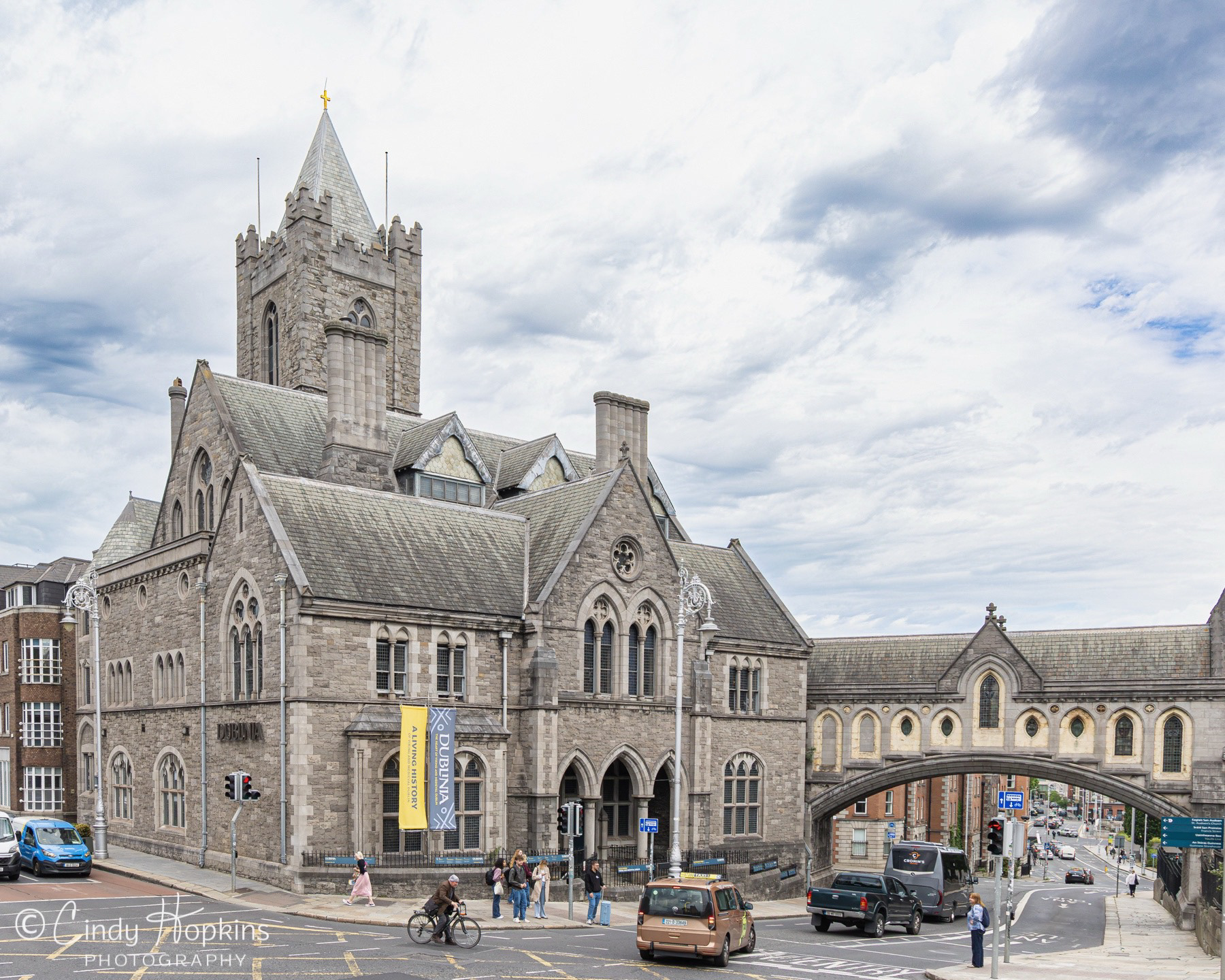
Synod Hall, a prominent neo-Gothic building completed in 1875 that now houses the Dublinia historical museum.
The museum focuses on the city's Viking and Medieval history and is connected to the adjacent Christ Church Cathedral via a covered stone bridge.
It is situated at the junction of St Michael's Hill and High Street, historically known as the crossroads of Dublin's medieval city.

Another view of Synod Hall.

Christ Church Cathedral, is the older of Dublin's two medieval cathedrals, founded around 1030. The architecture prominently features Gothic and Romanesque styles.
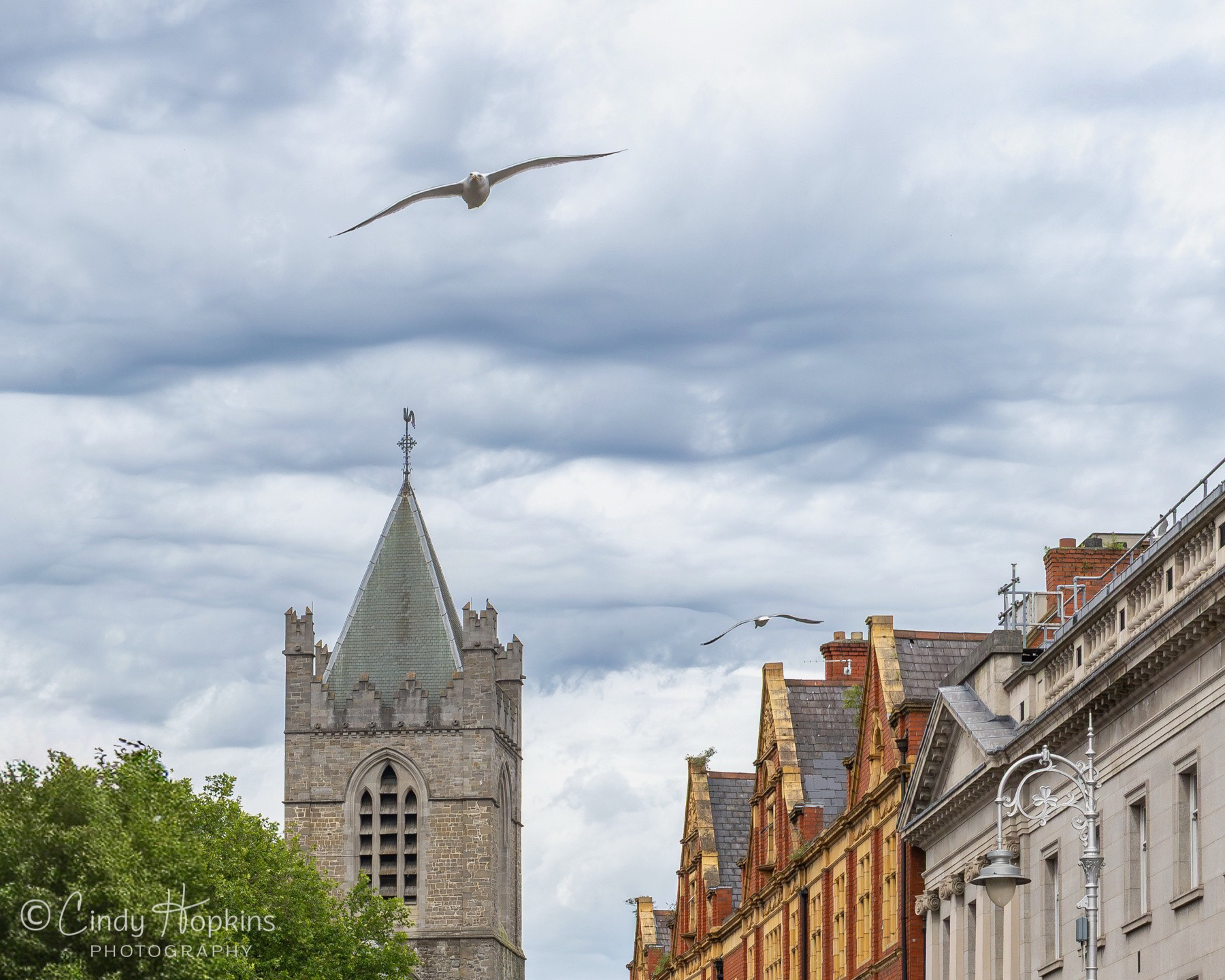
Christ Church Cathedral.
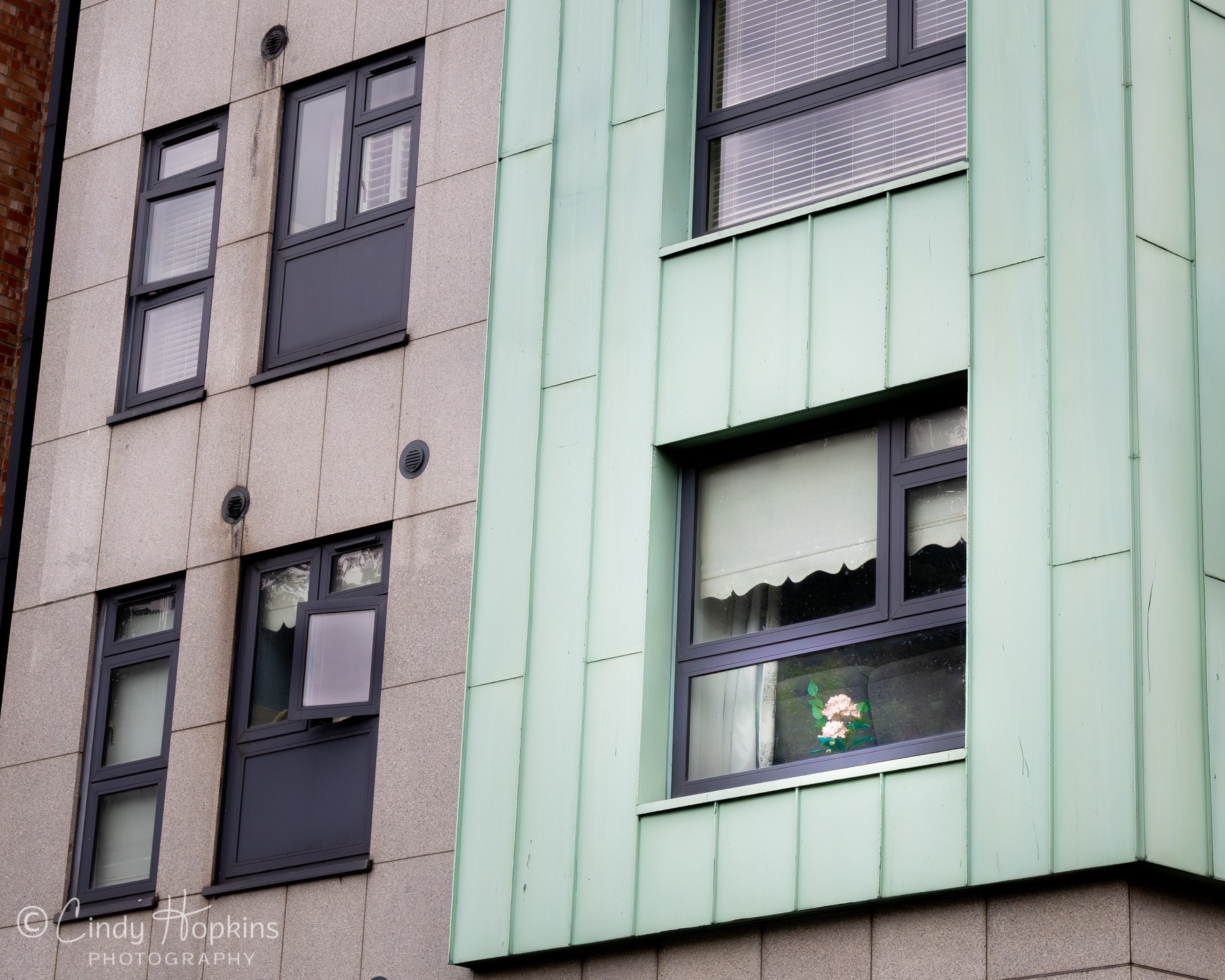
Dublin window scene.

The facade of the Guinness Storehouse at the St. James's Gate Brewery in Dublin.

The historic St. James's Gate Brewery entrance in Dublin, featuring the iconic Guinness signage. The gateway leads into the area known as the Guinness Storehouse.
The prominent 1759 inscription marks the year Arthur Guinness signed a famous 9,000-year lease for the site.
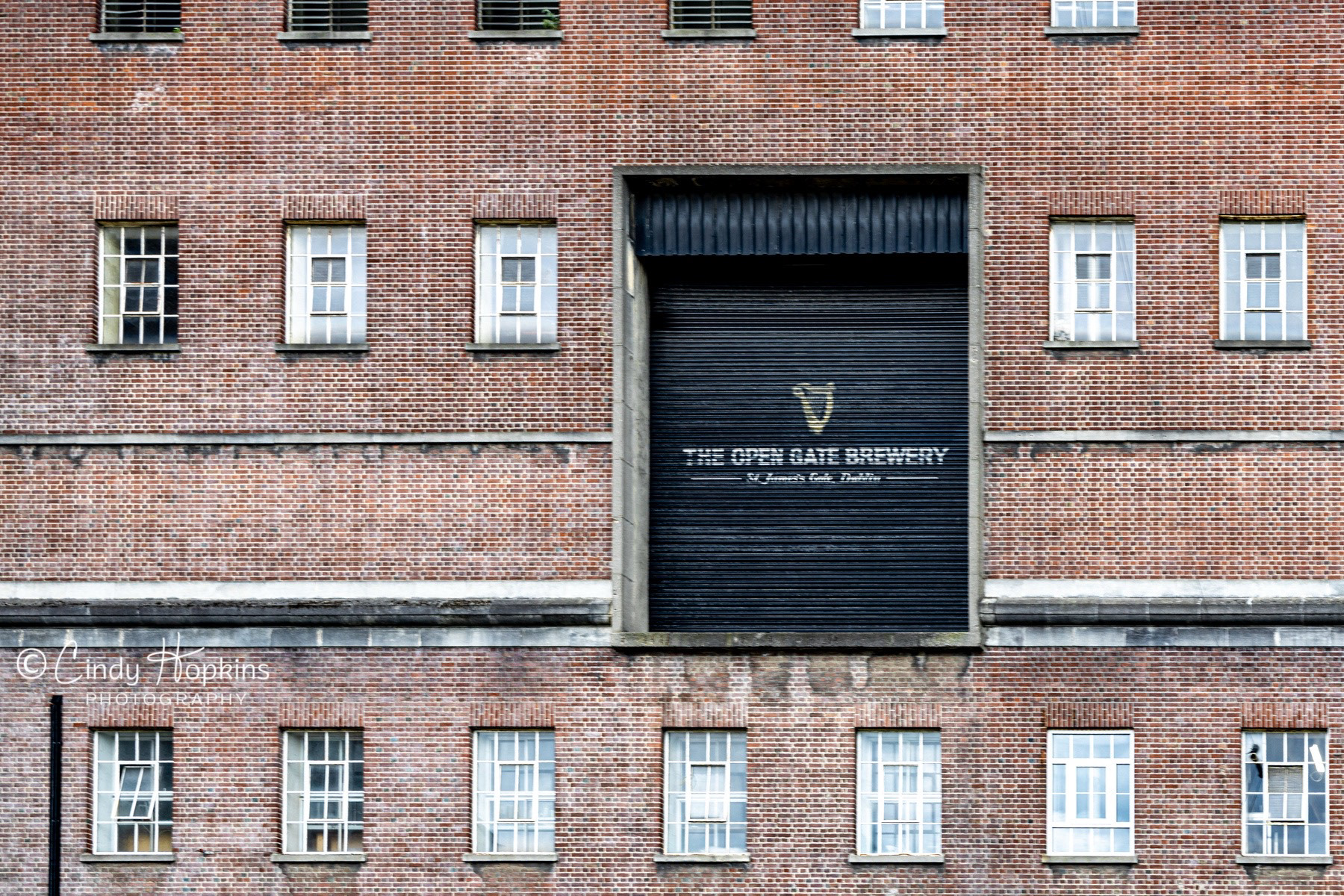
The Open Gate Brewery acts as an experimental facility for creating new beers, which visitors can taste in the taproom.

The entrance gates of the Guinness Storehouse located at the St. James's Gate Brewery in Dublin.

The historic home of Arthur Guinness, the master brewer who founded Guinness Brewery in 1759.
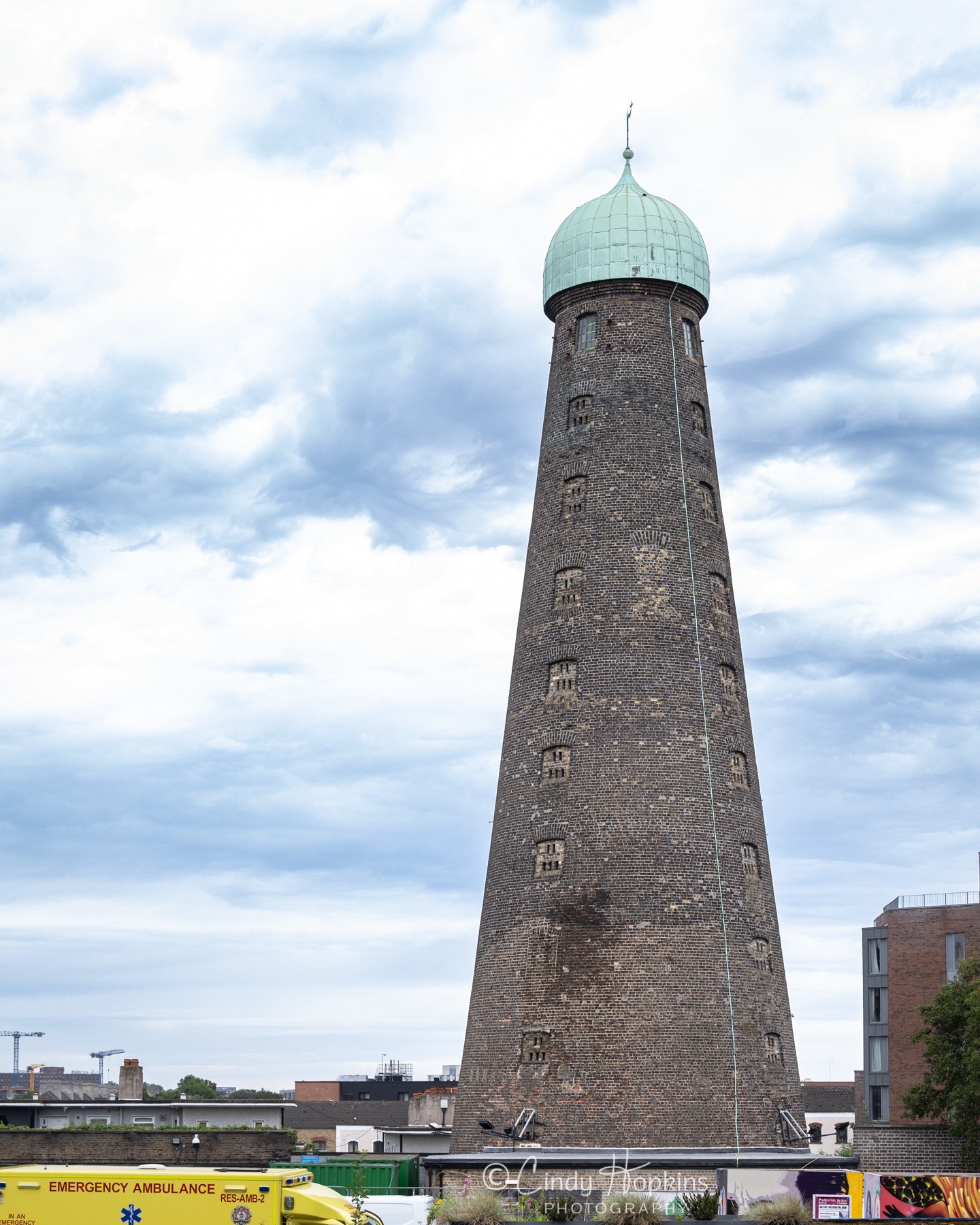
St Patrick's Tower, a former smock windmill built around 1757 to power a whiskey distillery in Dublin.
It is recognized as having been the tallest smock windmill in Europe and features a distinctive green copper cupola added in the late 19th century.
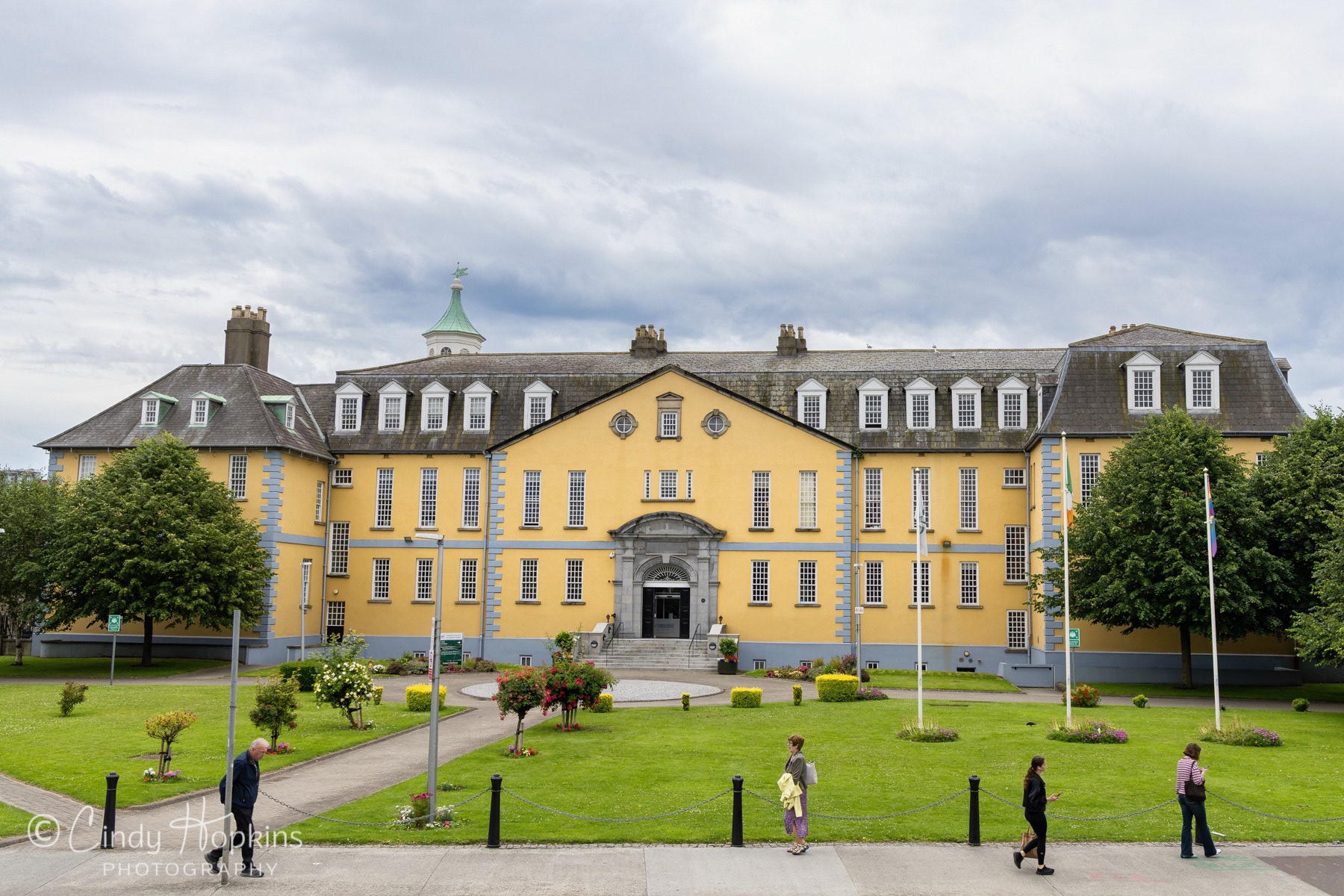
Dr. Steevens' Hospital, Ireland's oldest hospital founded in the 18th century.
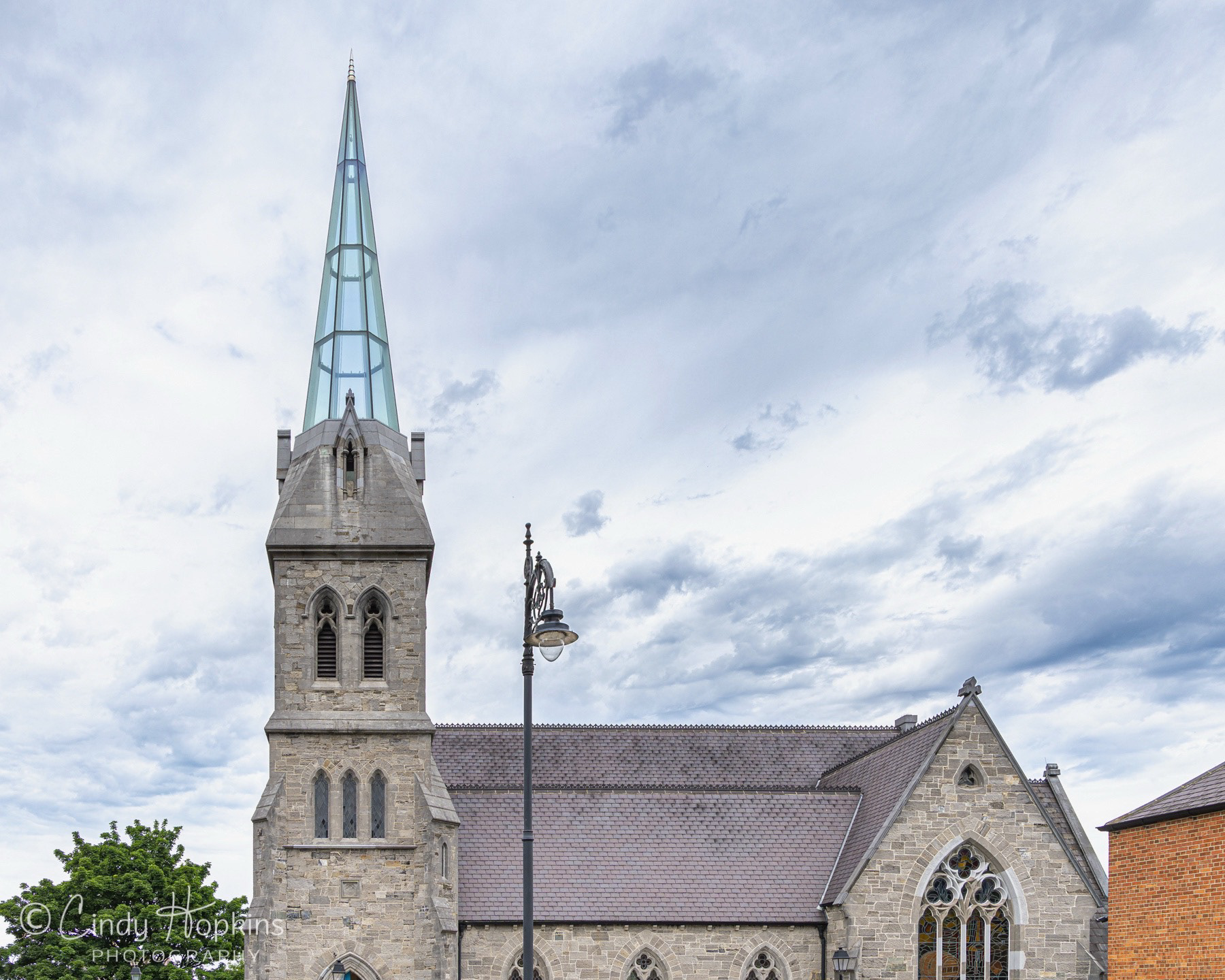
Pearse Lyons Distillery, a whiskey distillery located in the restored 19th-century St. James's Church in Dublin. It is the only distillery in Dublin that is fully family-run

Seán Heuston Bridge in Dublin, a cast-iron structure spanning the River Liffey.
Completed in 1828, it was originally named King's Bridge to commemorate a visit by King George IV. The date 1821 is displayed on the bridge to mark the year of the King's visit,
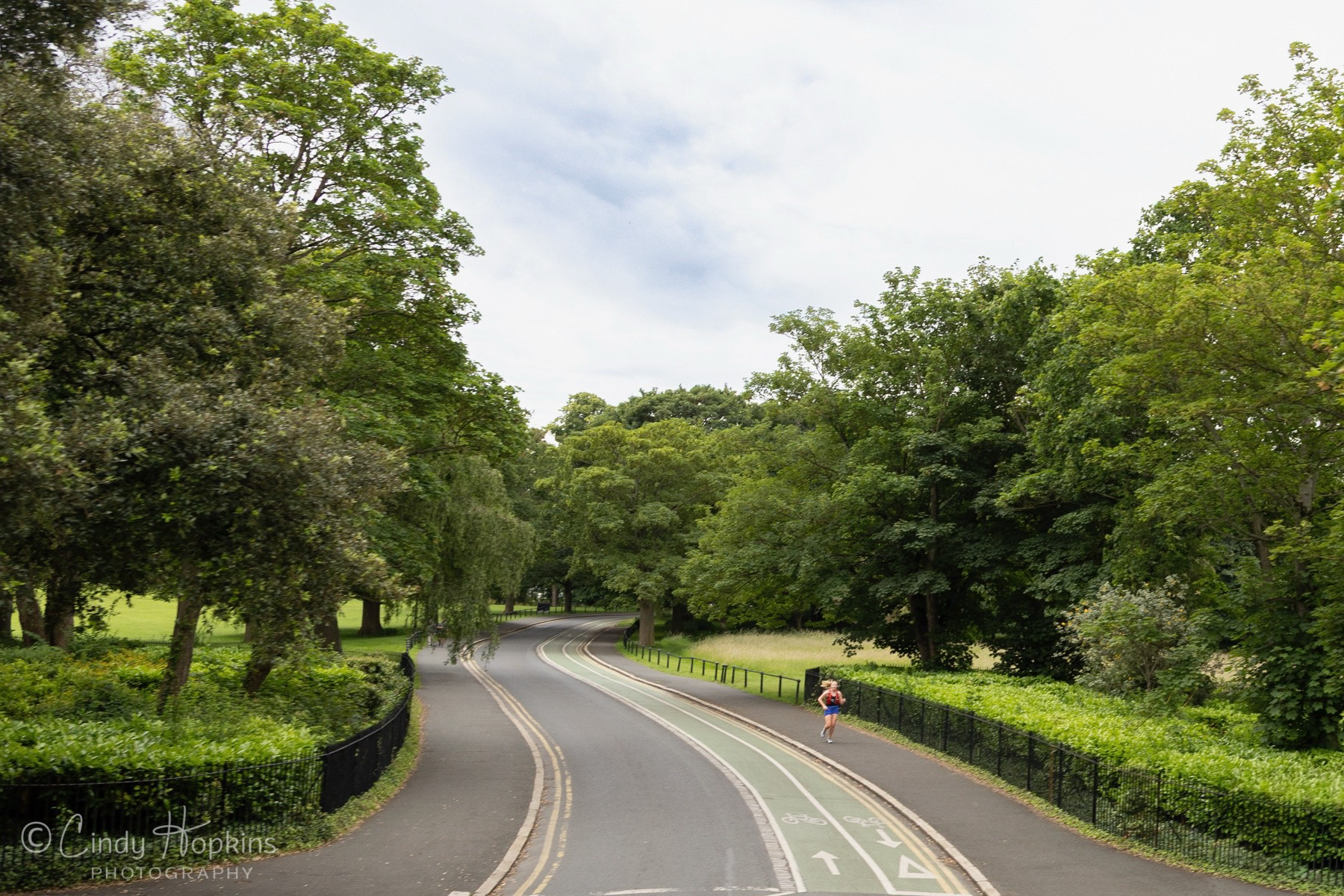
Dublin's Phoenix Park. Home to the Dublin Zoo.
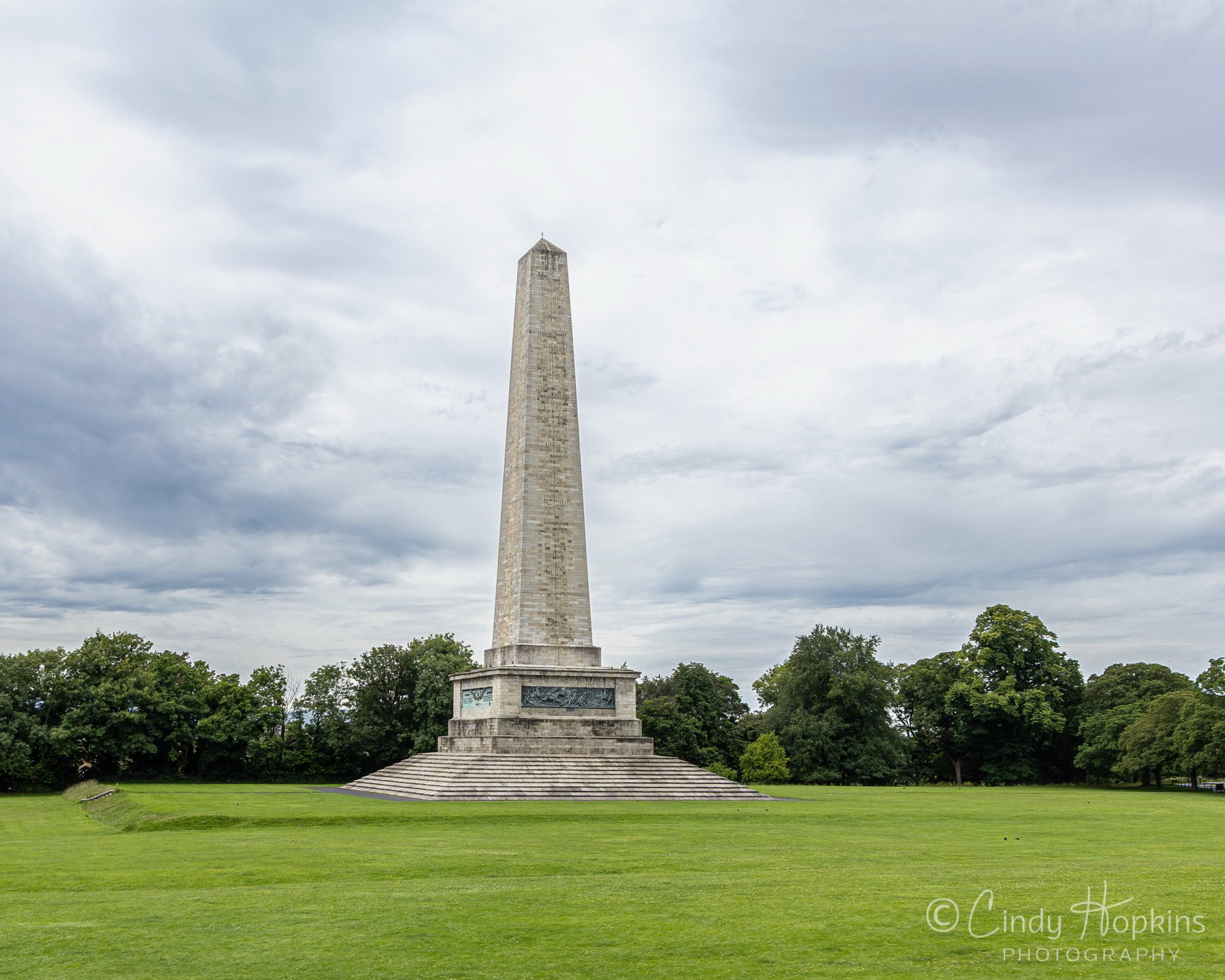
The Wellington Monument.
Located in Phoenix Park, Dublin, it stands at 62 meters (203 ft) tall, making it the tallest obelisk in Europe. It was designed by Robert Smirke to honor Arthur Wellesley, the first Duke of Wellington.
The base features reliefs created from brass cannons captured at the Battle of Waterloo.

James Joyce Bridge in Dublin, a structure designed by Santiago Calatrava to resemble an open book.
The bridge spans the River Liffey and is a notable pedestrian crossing. It serves as a key landmark in Dublin's Historic Area Renewal Project.
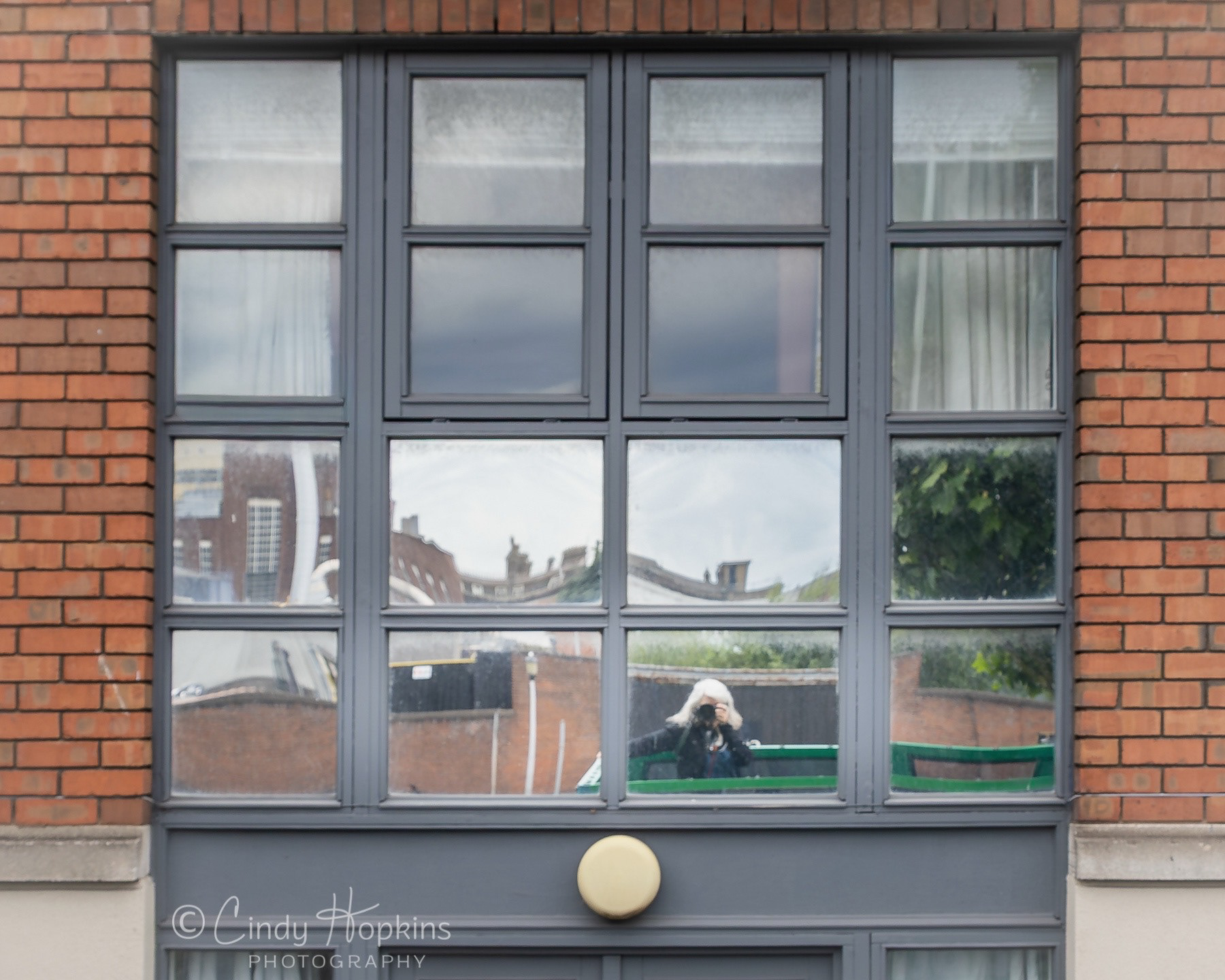
Self-Portait showcasing my love of windows scenes.
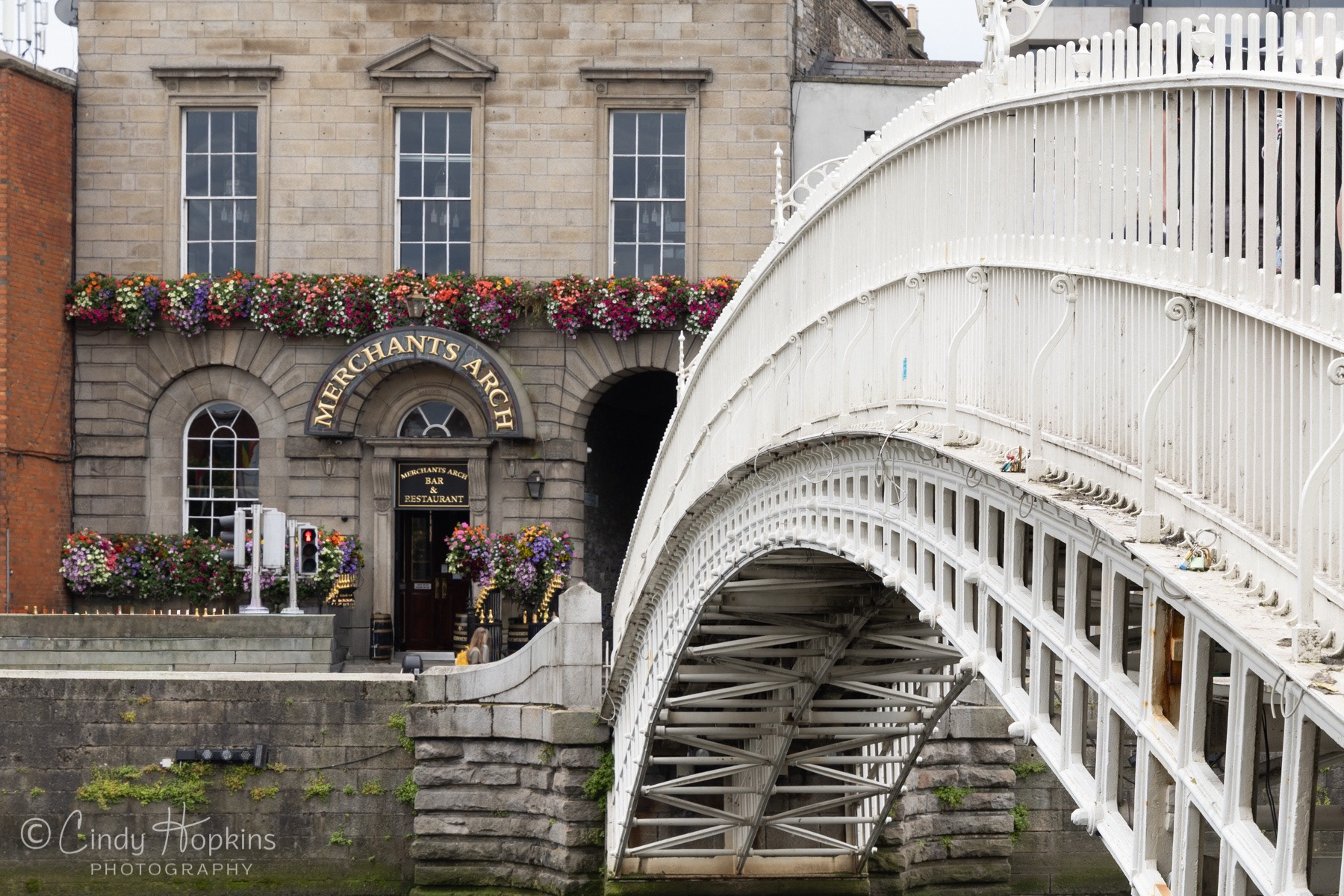
The historic Merchants Arch building located in Dublin's Temple Bar district beside the iconic Ha'penny Bridge.
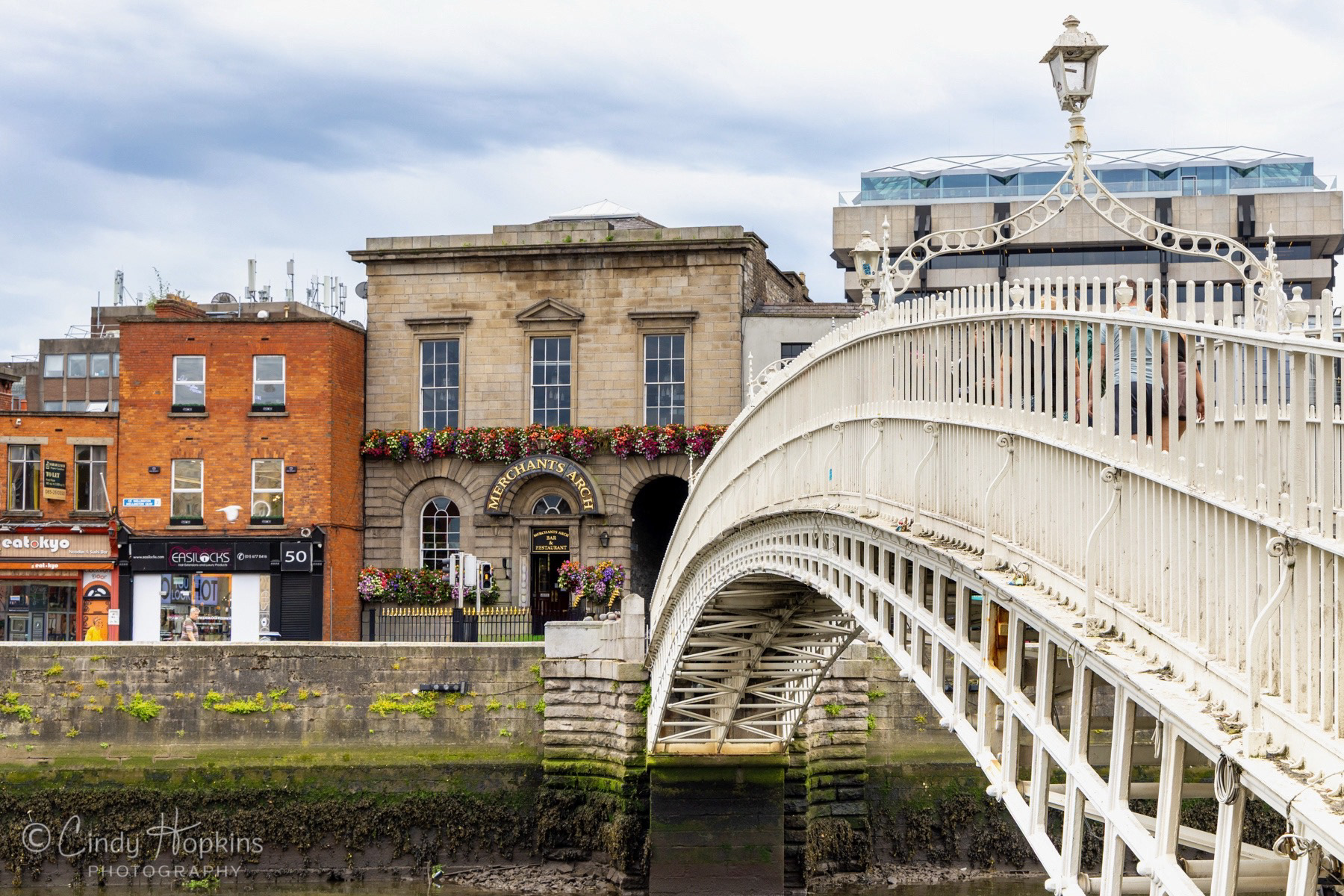
Ha'penny Bridge, also known as the Liffey Bridge, in Dublin.
Built in 1816, this cast-iron pedestrian bridge originally required a half-penny toll to cross.
It connects the north quays with the popular Temple Bar district on the south side of the River Liffey.
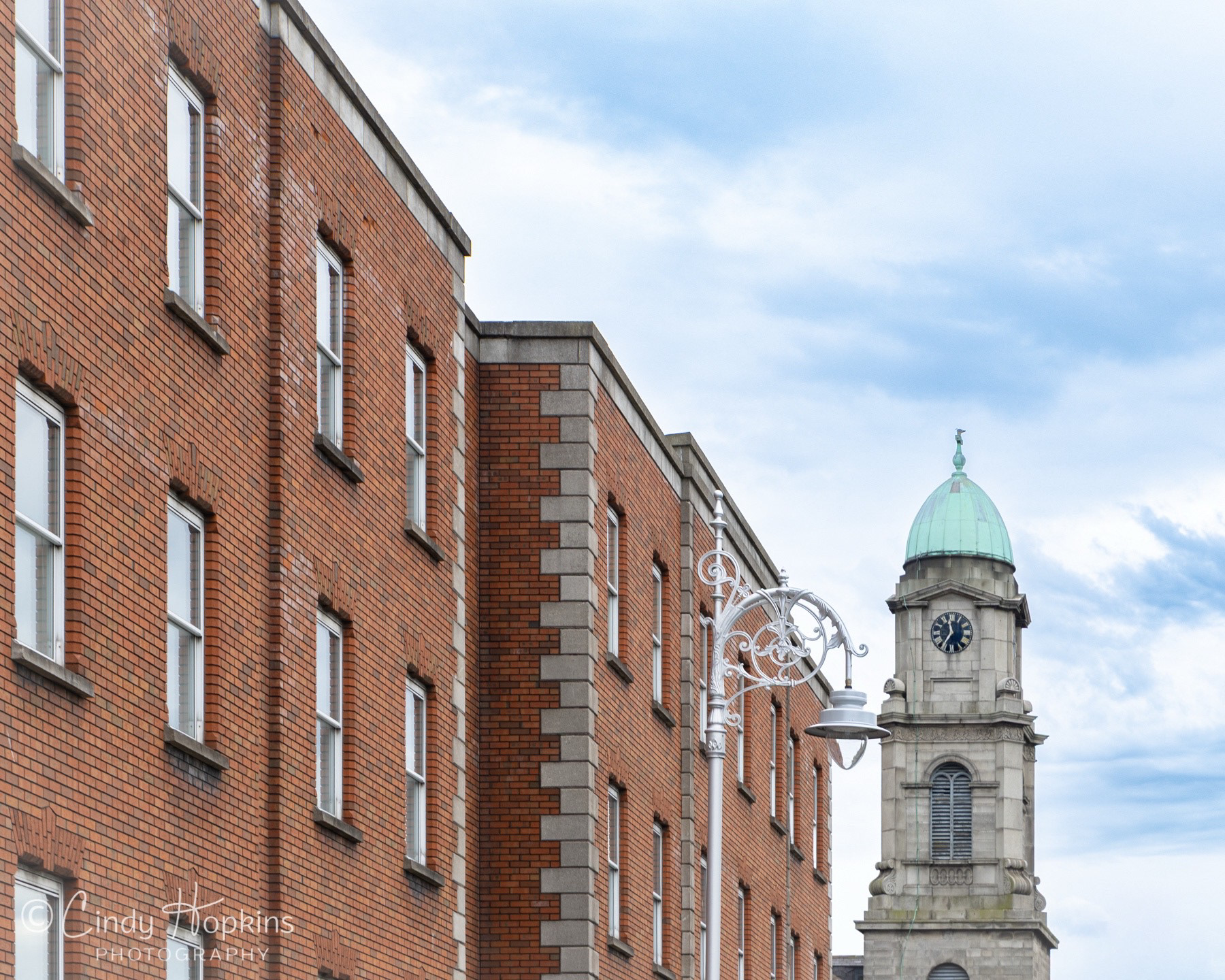
Bedford Clock Tower at Dublin Castle.
The tower is a major landmark within the historic government complex and sits centrally within the castle's Georgian courtyard.
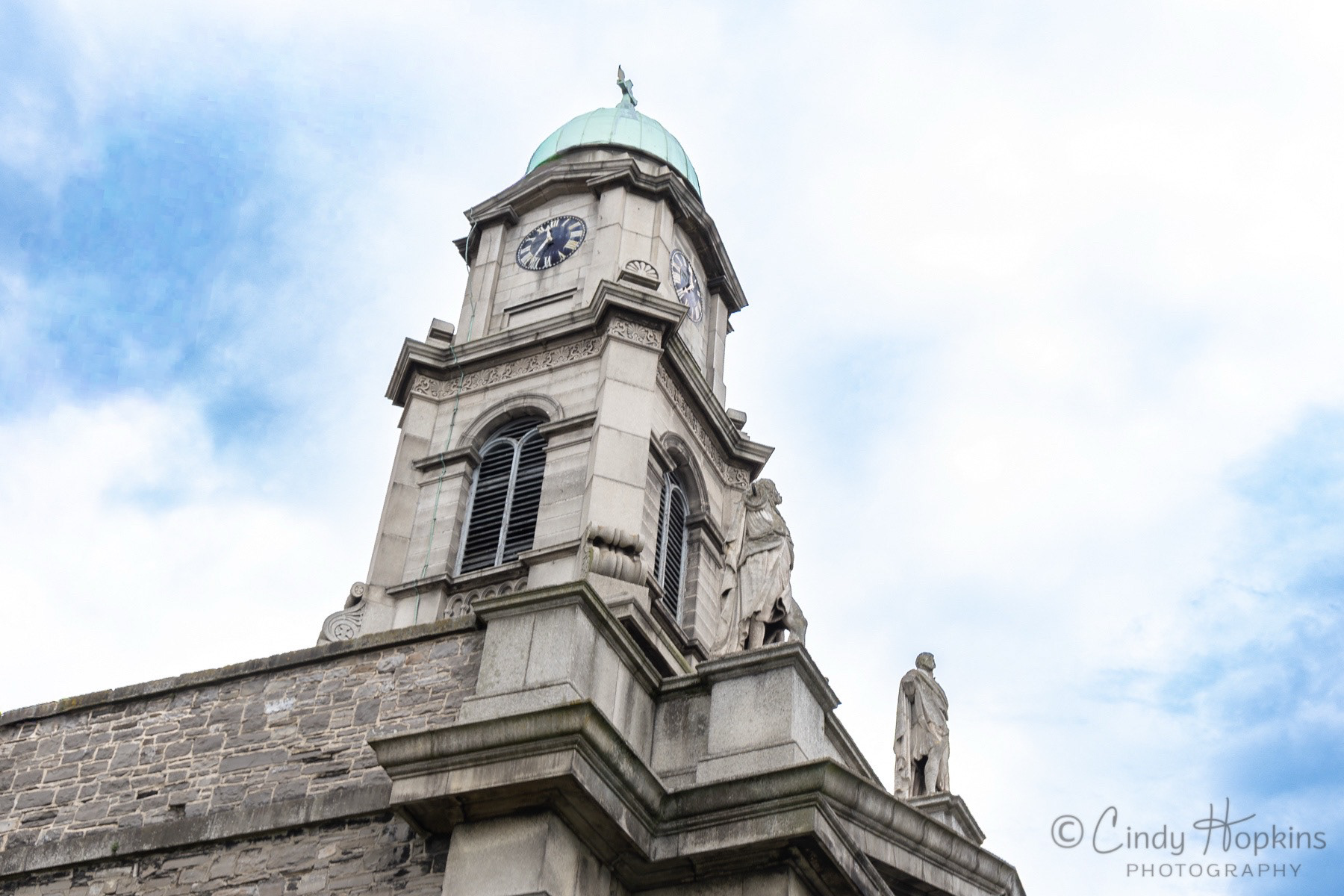
The bell tower and roofline of Saint Paul's Roman Catholic Church on Arran Quay in Dublin.
Constructed between 1835 and 1844, the church was designed by architect Patrick Byrne in a Greek Revival style.
The tower features an Italianate design with a prominent clock face and a copper dome.
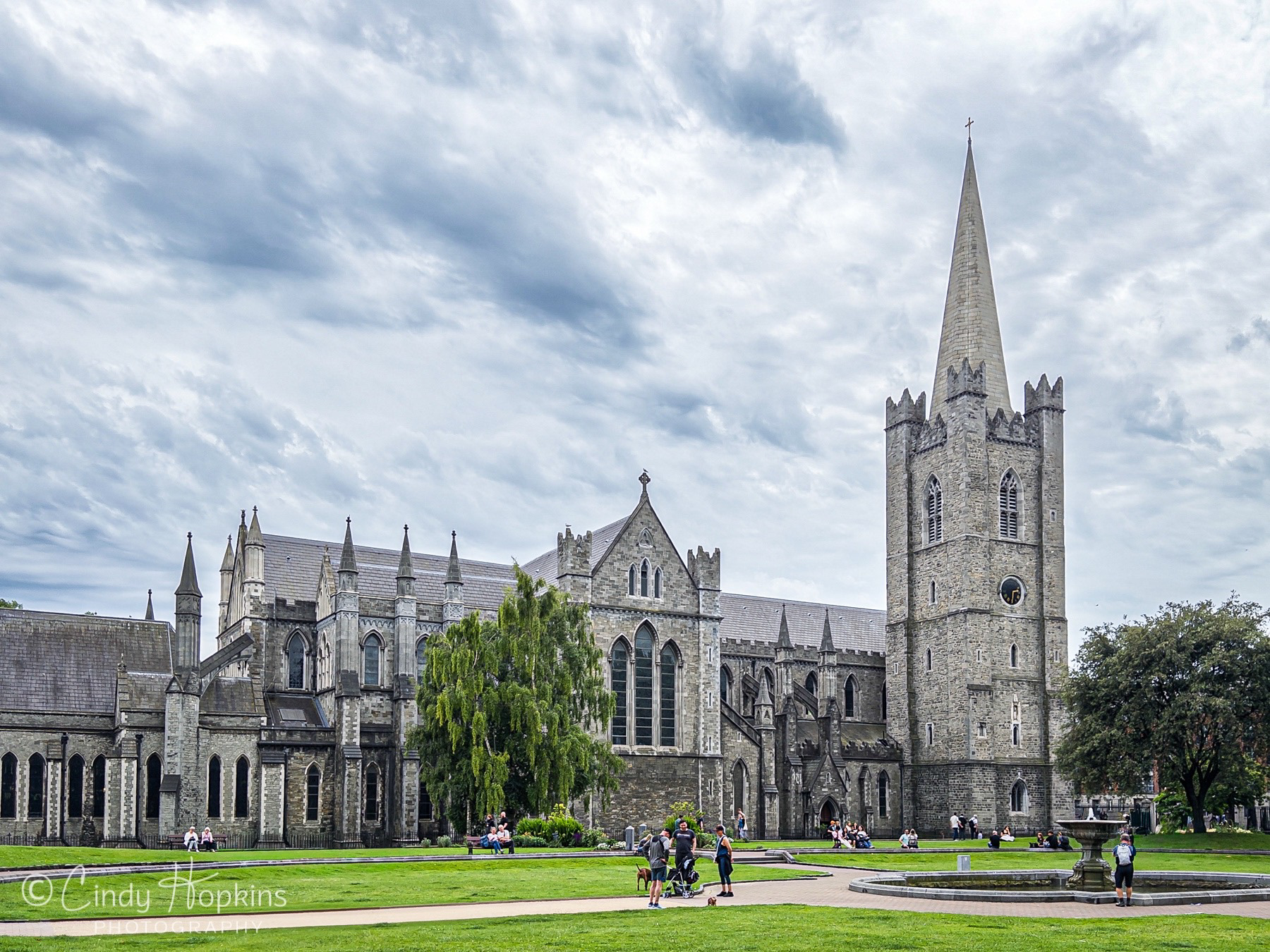
St. Patrick's Cathedral, the national cathedral of the Church of Ireland.
It was originally founded in 1191 and stands beside a historic well where Saint Patrick is said to have baptized converts.
The Gothic-style building features a large spire added to the tower in 1700.
Famous author and satirist Jonathan Swift served as the cathedral's dean in the 18th century.

A side view of St. Patrick's Cathedral .
It is situated next to a lush green space known as St. Patrick's Park.
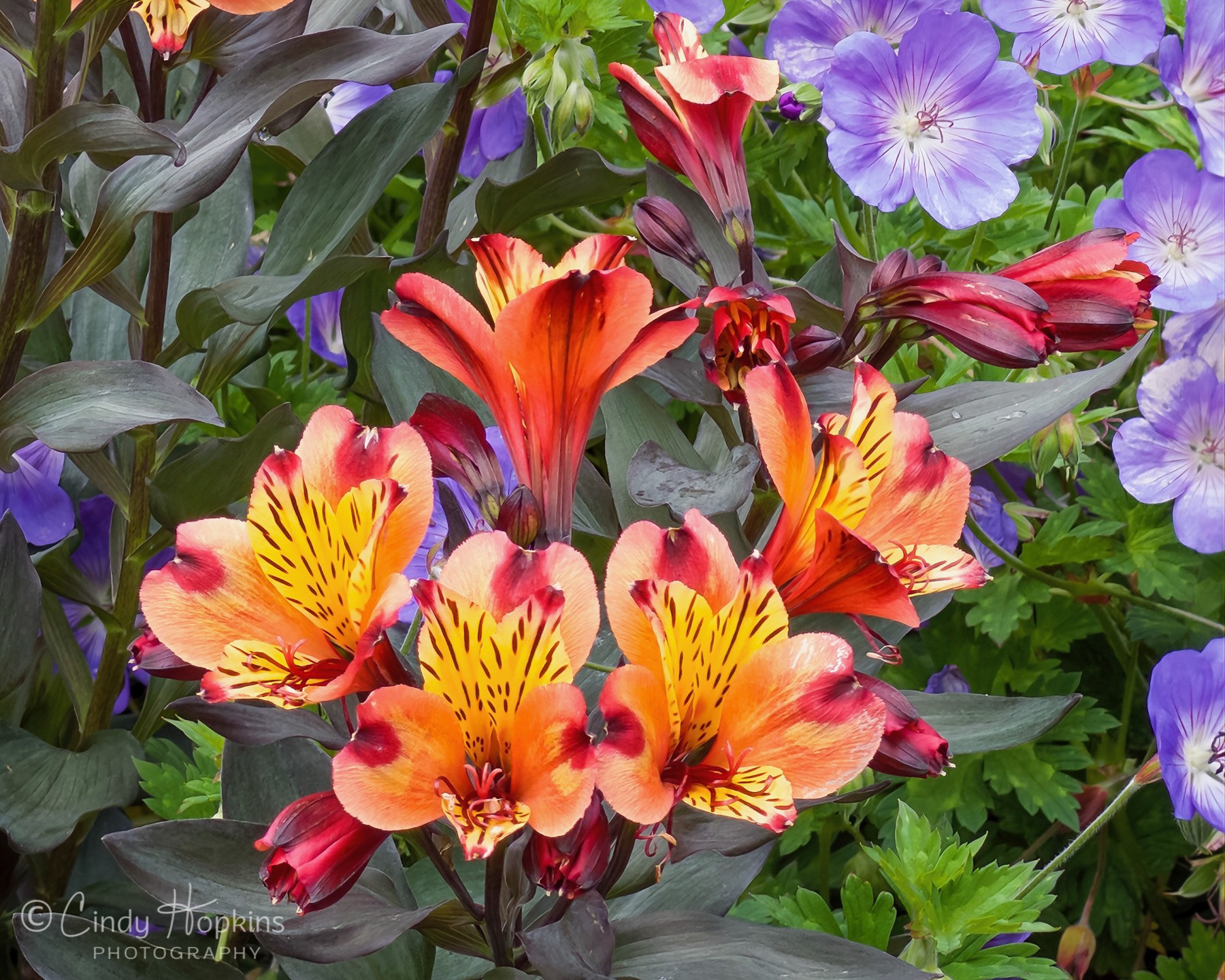
Peruvian Lillies on the grounds of St. Patrick Cathedral.
The Little Museum of Dublin. Don't miss it!